

Disability Access In Kuala Lumpur
In the bustling metropolis of Kuala Lumpur, where skyscrapers pierce the sky and diverse communities thrive, businesses are increasingly recognizing the value of inclusivity. Providing disability access isn't just a moral imperative—it's a smart business strategy that aligns with Malaysia's evolving legal landscape and taps into untapped markets. With over 1 billion people globally living with disabilities, according to international estimates, Kuala Lumpur's businesses stand to gain significantly by prioritizing accessibility. This article explores the multifaceted benefits, from legal compliance to economic gains, and highlights real-world examples in the city.
Legal Compliance: Navigating Malaysia's Regulations
Malaysia has made strides in protecting the rights of persons with disabilities (PwD) through the Persons with Disabilities Act 2008 (PwD Act), which affirms equal access to public facilities, healthcare, and employment. In Kuala Lumpur, this translates to requirements for businesses to ensure barrier-free environments, guided by the Malaysian Standard MS 1184:2002, a code of practice for access to public buildings. While enforcement has gaps—such as inconsistent implementation and calls for constitutional protections—compliance helps businesses avoid potential legal challenges and fines.
Beyond mere obligation, adhering to these standards fosters a welcoming atmosphere. For instance, the Act mandates registration for PwD via "Kad OKU" cards, which can entitle holders to benefits like priority access, encouraging businesses to accommodate them proactively. In a city like KL, where urban development is rapid, integrating ramps, elevators, and tactile flooring not only meets legal benchmarks but positions businesses as leaders in social responsibility.
Economic Advantages: Boosting the Bottom Line
One of the most compelling benefits is economic. Accessibility expands the customer base by including the disability community and their networks—friends, family, and caregivers—who often choose inclusive venues. Globally, this market represents trillions in spending power, and in Malaysia, with an estimated 4.8% of the population registered as PwD, the potential is substantial.
Businesses that invest in accessibility report higher retention of qualified employees with disabilities—up to 86% in some studies—leading to increased productivity and lower turnover costs. Features like automatic doors or adjustable counters reduce expenses over time by preventing lawsuits and enhancing operational efficiency. In KL's competitive retail and hospitality sectors, accessible designs can drive innovation, such as apps with voice navigation or braille menus, attracting tech-savvy customers across demographics.
Moreover, hiring from the disability talent pool provides a competitive edge. Employees with disabilities often bring unique problem-solving skills honed from overcoming barriers, improving overall team performance. For small and medium enterprises (SMEs) in areas like Bangsar or Bukit Bintang, this means accessing untapped talent while boosting profitability.
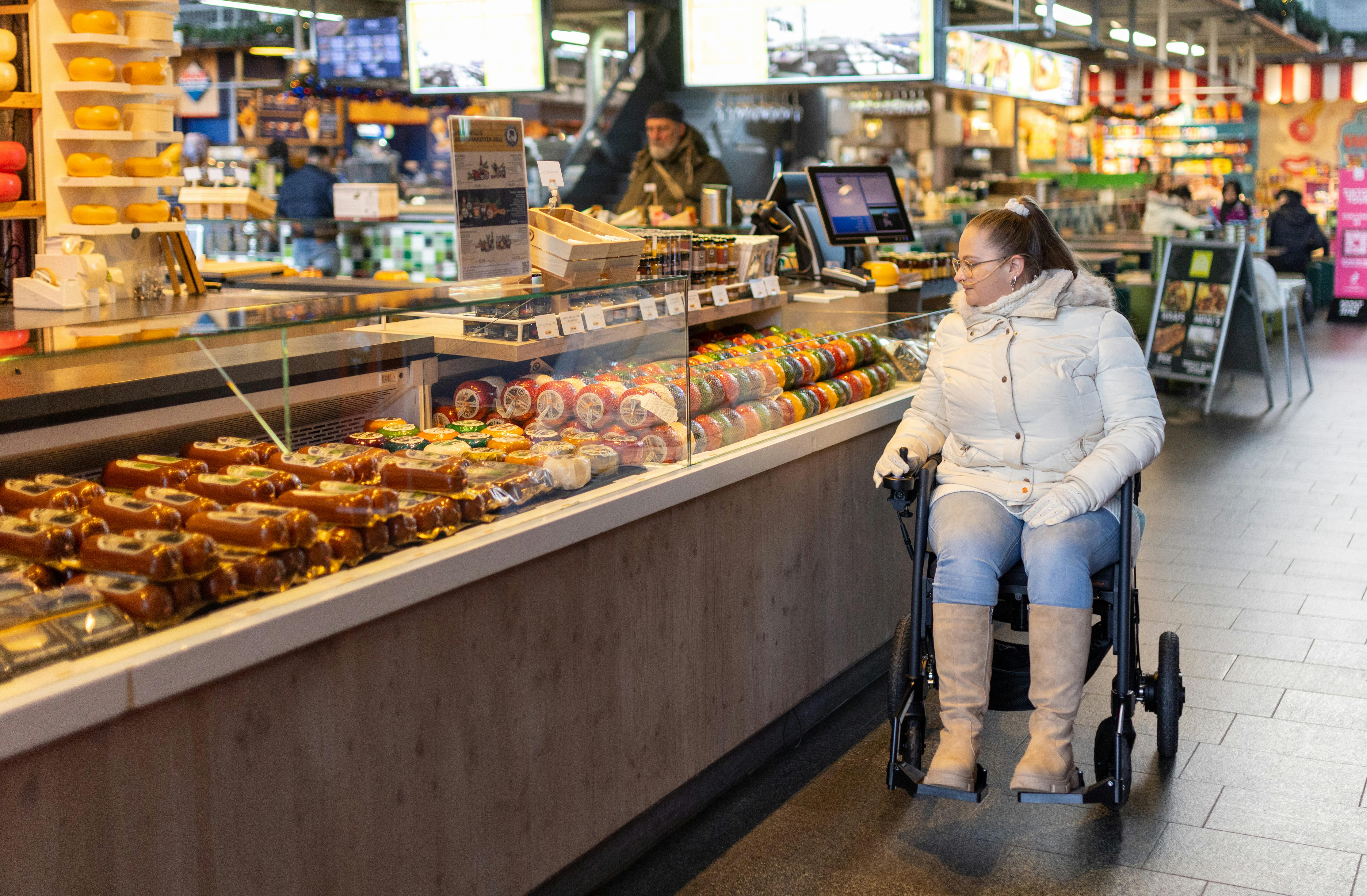
Enjoying the air conditioning while shopping in KL Sentral
Social and Reputational Gains: Building Brand Loyalty
Accessibility enhances a business's reputation, signaling commitment to diversity and inclusion. In Kuala Lumpur's multicultural fabric, this fosters consumer loyalty—59% of employers note it helps retain staff, while customers prefer brands that prioritize inclusivity. Socially, it creates welcoming environments for everyone, reducing exclusion and promoting community well-being.
Ignoring accessibility, conversely, risks alienating millions in talent and patronage. In Malaysia, where disability politics highlight marginalization, businesses that lead in this area can influence positive change, aligning with global standards like the UN Convention on the Rights of Persons with Disabilities.
Real-World Examples in Kuala Lumpur
Kuala Lumpur offers inspiring models. Suria KLCC mall, beneath the iconic Petronas Twin Towers, features wheelchair-accessible paths, elevators, and restrooms, making it a hub for inclusive shopping. The Towers' tour is fully wheelchair-friendly, drawing diverse visitors daily.
Cafes like Tender Hearts Café employ individuals with special needs, creating jobs while serving the community and enhancing brand appeal. Attractions such as the Kuala Lumpur Bird Park provide ramps and accessible facilities, boosting tourism revenue. Even public transport in KL has made progress, with many MRT and LRT stations offering wheelchair access, though sidewalk improvements are needed.
Implementing Accessibility: Practical Steps for KL Businesses
To reap these benefits, start with audits using MS 1184 guidelines—install ramps, widen doorways, and add audio cues. Partner with organizations like the Malaysian Bar for advice on PwD rights. Training staff on inclusive service and leveraging technology, like accessible websites, can yield quick wins.
In conclusion, providing disability access in Kuala Lumpur is a win-win: it complies with laws, drives economic growth, builds loyalty, and contributes to a more equitable society. As the city grows, businesses that embrace inclusivity will thrive, turning potential barriers into opportunities for all.