

The Benefits of Providing Disability Access for Overseas Elderly Travelers to Malaysia's Tourist Hotspots
As the global population ages, the "silver economy" is booming, with elderly travelers seeking enriching experiences worldwide. Malaysia, with its vibrant mix of cultural heritage, natural beauty, and modern attractions, is positioning itself as a prime destination. However, for overseas elderly visitors—many of whom may have mobility impairments or other disabilities—accessibility is key to unlocking this potential. Providing disability access not only fulfills ethical obligations but also yields substantial economic, social, and reputational benefits for the tourism sector. This article delves into these advantages, focusing on Malaysia's popular hotspots like Kuala Lumpur, Penang, Langkawi, and Malacca, while highlighting real-world examples and practical steps.
Policy and Legal Framework: Aligning with Inclusivity Goals
Malaysia's National Tourism Policy increasingly emphasizes accessible tourism, integrating it into broader development strategies to cater to persons with disabilities (PwD) and the elderly. The Persons with Disabilities Act 2008 and initiatives like the Global Future Cities Programme promote barrier-free environments in transport and attractions, benefiting overseas seniors by ensuring hassle-free travel. For instance, accessible public transport in urban areas reduces dependency, allowing elderly tourists from countries like Australia, Japan, or Europe to explore independently.
Compliance with these policies avoids penalties while enhancing Malaysia's appeal as an inclusive destination. The UN's emphasis on accessible tourism underscores how such measures promote national development, drawing in a demographic that values safety and convenience. Poor accessibility, conversely, deters potential visitors, leading to lost revenue—studies show that inadequate facilities discourage disabled and elderly tourists globally.
Economic Gains: Tapping into a Lucrative Market
The elderly tourism segment, often called "silver tourism," represents a high-spending market with longer stays and off-peak travel patterns. Overseas seniors, including those with disabilities, contribute significantly to economies—globally, accessible tourism generates trillions in revenue. In Malaysia, enhancing access at hotspots can boost visitor numbers; for example, wheelchair-friendly features attract families traveling with elderly relatives, increasing spending on accommodations, dining, and souvenirs.
Businesses benefit directly: Hotels with ramps, adjustable beds, and priority services report higher occupancy from this demographic. Attractions like national parks, where challenges like uneven paths persist, could see revenue growth through inclusive upgrades—research indicates that accessibility investments yield long-term profits by expanding the customer base. Moreover, it creates jobs in specialized services, such as guided tours for mobility-impaired visitors, stimulating local economies in hotspots like Langkawi.
Social and Reputational Benefits: Fostering Inclusion and Loyalty
Providing access empowers elderly travelers, reducing barriers that limit social participation and cultural engagement. For overseas seniors, this means enjoying Malaysia's heritage sites without exclusion, promoting mental well-being and cross-cultural exchange. It aligns with global trends toward full inclusion, where accessible spaces benefit everyone, including families and locals.
Reputationally, Malaysia gains as a compassionate destination. Positive experiences shared on social media or reviews can attract more international visitors, with studies showing that inclusive tourism builds loyalty—elderly tourists return and recommend spots with good access. In contrast, negative feedback on inaccessibility harms the industry, as seen in surveys of mobility-impaired PwDs.
Spotlight on Malaysia's Accessible Hotspots
Malaysia offers several tourist hotspots with growing accessibility features, appealing to overseas elderly travelers.
- **Kuala Lumpur**:
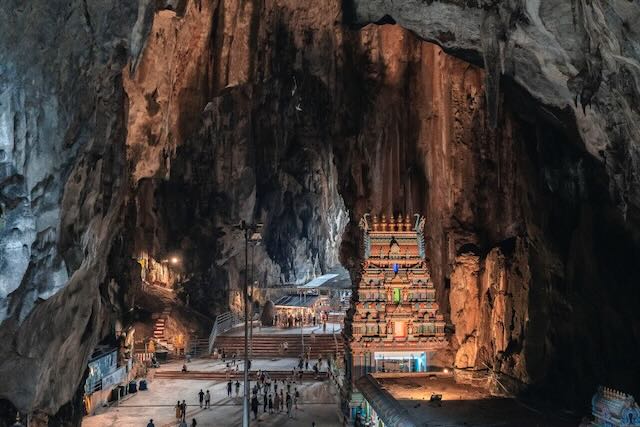
The Petronas Twin Towers provide wheelchair access, elevators, and accessible restrooms, allowing seniors to enjoy panoramic views. Nearby KLCC Park and Aquaria KLCC are wheelchair-friendly, with paths and priority entry. Batu Caves offers guided accessible tours.
- **Penang**:
Penang Hill's funicular railway is fully accessible, offering stunning vistas without strenuous walks. Kek Lok Si Temple and street art areas have ramps and tactile paths.
- **Langkawi**:
The cable car and Sky Bridge accommodate wheelchairs, with priority access for disabled visitors. Mangrove tours and Underwater World provide adapted experiences.
- **Malacca**:
Heritage sites like the Stadthuys and Jonker Street are improving with ramps, benefiting elderly explorers of UNESCO-listed areas.
These enhancements not only attract seniors but also families, amplifying tourism revenue.
Practical Steps for Implementation
To capitalize on these benefits, stakeholders should conduct accessibility audits, install ramps, audio guides, and priority queues. Partner with organizations like the Malaysian Association for the Blind or international bodies for training. Airports can enhance services like priority boarding, as suggested for elderly passengers. Digital tools, such as apps with virtual tours, further aid planning for overseas visitors.
In conclusion, investing in disability access for Malaysia's tourist hotspots is a strategic move that boosts the economy, promotes social equity, and enhances global appeal. As overseas elderly travelers seek meaningful adventures, inclusive infrastructure ensures Malaysia remains a welcoming paradise for all, driving sustainable growth in the tourism industry.